B2B Freight
Bigger boxes aren't the only change. Trade supply shifts your margins, payment terms and freight all at once. Plan the network before you promise it.

Delhivery Research
5 min read

Selling direct teaches you demand. It does not teach you trade. The move from shipping parcels to consumers to supplying dealers and distributors changes the order size, the margin structure, the packaging, the payment timing and the transport product underneath, all at once. Brands that treat it as "the same product, bigger boxes" usually discover the difference in the receivables ledger about four months in.
What Changes When You Stop Selling Direct
Five changes matter more than the rest.
Order size and frequency. One unit becomes a carton, then a pallet. Orders come monthly or fortnightly rather than continuously, which makes your demand lumpy and your production planning harder, not easier.
You get paid later. A consumer pays at checkout. A distributor pays in 30, 45 or 60 days. Every rupee of trade growth consumes working capital before it returns any.
Margin is shared down a chain. The retailer needs a margin, the distributor needs a margin, and both come out of the same MRP your D2C customer pays. Your realisation per unit falls, and volume has to make up the difference.
Packaging changes job. A D2C box is designed to be opened by a delighted customer. A trade carton is designed to be stacked six high, moved by a forklift and stored in a godown. Different board, different strapping, different labelling.
What you measure changes. Primary sales are what you billed the distributor. Secondary sales are what the distributor actually sold onward. A network that looks like it is growing on primary and flat on secondary is not growing — it is filling a godown.
Appointing the First Distributors
Resist appointing whoever asks first. The first three appointments set the pattern of the whole network, and removing a bad distributor from a territory is far harder than not appointing them.
What to look for:
The counters they already reach. Ask for the retailer list in the territory and the categories they currently carry. Adjacency matters more than size.
Financial capacity. Can they carry the stock and the credit you will extend them? Ask for bank references and check how they pay their existing principals.
Feet on the ground. How many salespeople, covering how many counters, how often. A distributor with a godown but no beat is a warehouse, not a distributor.
Willingness to report. Secondary sales and closing stock, monthly, in a format you specify. If they will not commit to this at the appointment stage, they will not do it later.
Start with a written appointment letter covering territory, price ladder, credit limit, credit period, order minimums, returns and damage policy, and notice period on both sides. A one-page letter now prevents a six-month dispute later.
Territory, Price Ladder and Credit
Define territory geographically and in writing, by district or pin code cluster, not by "the south." Overlapping territories produce price undercutting between your own distributors, and that damage is very hard to undo.
Build the price ladder downward from MRP: retailer margin, then distributor margin, then your ex-factory price, then your cost. Do it before you appoint anybody, because you cannot quietly reduce a trade margin once it has been given. Check what is left for you at the bottom of that ladder against your D2C contribution per unit, and be honest about whether the volume justifies it.
On credit, three rules keep a young network solvent:
Set a credit limit per distributor and enforce it in the order-taking process, not in a monthly review.
Tie limit increases to sell-through, not to the distributor's request.
Take a security deposit or post-dated instruments at appointment. Asking later reads as distrust; asking at the start is normal trade practice.
Replenishment Cycles and the Freight Underneath
A dealer network runs on a rhythm. Decide the rhythm deliberately: a fortnightly or monthly replenishment cycle per territory, with a fixed order cut-off and a fixed despatch day. Ad hoc despatch produces small consignments, unpredictable arrival and a distributor who orders in a panic.
The transport product changes too. Parcel is built around single boxes to individual consignees. Trade replenishment is part-truckload freight: a consignment of several cartons to one recipient, consolidated with other consignors' goods, moving branch to branch and delivered against the receiver's schedule. Freight prices against both the weight and the space a consignment occupies, which makes carton design a commercial decision and not just a packing one.
Practical consequences:
Set a minimum order quantity per despatch so freight per unit stays sensible. Work it out rather than guessing: at your lane rate, what order size keeps freight under an acceptable share of the invoice?
Standardise outer cartons to two or three stackable footprints.
Decide who pays freight, and say so in the appointment letter. Ex-works, freight prepaid and recovered, or delivered at your cost are all workable. Ambiguity is not.
Sizing the Freight Before You Promise It
Before you sign the first distributor, price the movement. Take a realistic replenishment consignment — say, 40 cartons at 12 kg each — and get a lane rate to that territory from a freight partner. Convert it to rupees per unit, and put that number into the price ladder above your factory cost.
Do this for the four territories you intend to open first. You will usually find one where freight per unit is high enough that the distributor margin has to be reworked or the minimum order raised. Finding that out on a spreadsheet is free. Finding it out after the appointment letter is signed is not.
What You Can Do
Build the full price ladder from MRP to factory cost, with a freight-per-unit line for each of your first four territories.
Get lane rates for a realistic replenishment consignment to each of those territories before you promise trade pricing.
Write a one-page distributor appointment letter template covering territory, credit, minimums, returns and notice.
Set a replenishment calendar with fixed order cut-offs and despatch days per territory.
Decide now what secondary sales and closing stock reporting you will require, and make it a condition of appointment.
These are the popular topics you might want to check out
Latest blog posts
View all blogs
Supply Chain Insights
Power-Only Trucking: A Smarter Model for Long-Haul Freight
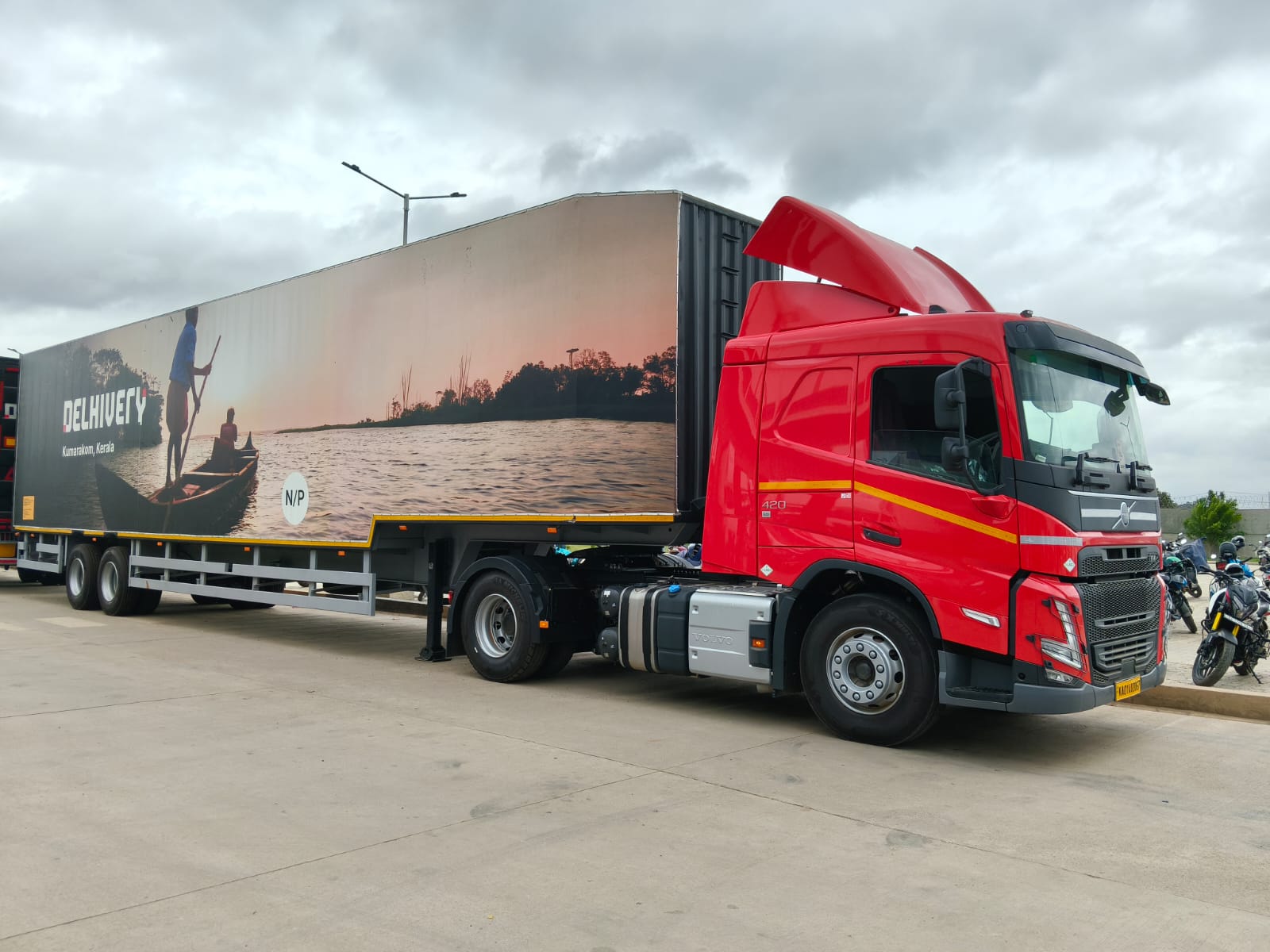
Smarter operating models can potentially make long-haul trucking with bigger trucks more efficient. Can Power-only trucking be a game-changer?

Taslima Khan

Engineering & Technology
Series: Finding India (Part I of II)
How a 15-member engineering team spent a decade using data generated by millions of deliveries and built a mapping platform for logistics.

Delhivery Engineering

Engineering & Technology
Series: Finding India (Part II of II)
How engineers taught machines to understand India’s complex addresses, transforming years of delivery data into a mapping intelligence platform built for logistics.
Delhivery Engineering
Ship with the largest integrated logistics company
Create your business account now
SERVICES
Delhivery One
Explore Now
Information Security Policy
Delhivery is committed to safeguarding the confidentiality, integrity and availability of all physical and electronic information assets of the organization. We ensure that the regulatory, operational and contractual requirements are fulfilled.
Disclaimer
Operational metrics listed are as of August 04, 2023