Shipping
Learn what breaks first as order volumes grow from 100 to 1,000 per day. A practical guide to packing, inventory, customer support, cash flow and warehouse space.

Delhivery Research
5 min read

Going from 100 orders a day to 1,000 is not one problem ten times over. It is five problems that arrive in a predictable order: packing throughput, then inventory accuracy, then customer support, then cash planning, then space. Knowing the sequence lets you spend a stage ahead instead of firefighting a stage behind.
Stage 1: Packing Throughput
This breaks first, usually between 150 and 300 orders a day, and it shows up in time rather than in errors.
Early signals: dispatch finishes later each week. You miss the pickup cut-off once, then twice. Picked orders queue beside the bench while one person prints labels.
Measure two things daily: orders packed per person-hour, and the clock time at which the last parcel is manifested.
The fix that buys the most headroom is process, not people. Separate picking from packing so nobody walks and packs in the same motion. Batch-pick 20 to 40 orders into a tote. Print labels in batches on a thermal printer. Rationalise packaging to four or five sizes, pre-fold boxes in the morning, and keep consumables within arm's reach. A bench that packs 25 parcels an hour per person becomes 40 on layout alone, and 400 orders then needs ten person-hours instead of sixteen.
Add people after the layout is fixed, not before. Hiring into a badly laid out bench multiplies walking, not output.
Stage 2: Inventory Accuracy
Between 300 and 500 orders a day, the constraint moves from how fast you pack to whether you can find what you are packing.
Early signals: cancellations because an item shows in stock and is not on the shelf. An oversell on a marketplace listing. Pickers asking where a SKU moved to. A physical count that differs from the system by more than 2 per cent on fast movers.
The fix is location discipline. Give every SKU a fixed bin location, labelled with a barcode. Receive goods against a purchase order before they touch a shelf, so nothing enters stock unrecorded. Replace the quarterly full count with daily cycle counting: your top 20 SKUs every week, everything else on rotation. You will catch variance while it is still small enough to explain.
Keep one inventory pool as your system of record. If a share of your stock sits in marketplace fulfilment and the rest with you, that is a sound way to run - but you need a single daily view of total units owned across locations, or you will buy stock you already have.
Stage 3: Customer Support
Support pressure lags volume by a few weeks, which is why it catches teams out.
Early signals: tickets rising faster than orders. First response slipping past a day. The same three questions filling the inbox. Someone from the packing team answering the phone.
Track tickets per 100 orders, not tickets per day. If that ratio climbs, the problem is upstream of support - unclear delivery dates, thin tracking updates, or address quality at checkout.
The highest-return fix is proactive communication. Message at dispatch, at out-for-delivery and on any exception, each one written to answer the next question in advance. Give one person the exceptions and failed-attempt queue as a defined daily job with a response window, not work that fits around everything else. Canned replies for your top ten questions cost an afternoon and pay back weekly.
Stage 4: Cash Planning
Nothing has gone wrong here. Volume simply means more of your cash is in motion at any moment - a working capital requirement to plan, not a surprise to absorb.
Early signals: you delay a purchase order until collections land. You top up the shipping wallet reactively, mid-day. Inventory commitments and remittance cycles are tracked in different places, by different people.
Build a weekly cash view with five lines: cash collected on delivery and still in transit, prepaid settlements due, inventory commitments falling due, freight and packaging accruals, and wallet balance. Know your remittance cycle in days and plan to it, and keep bank details current so nothing pauses. Hold a wallet buffer sized to a peak week, not an average one, and treat it as working capital. Freight, packaging and returns provision are inputs that buy reach and repeat purchase - price them in like any other input.
Stage 5: Space
Space feels like the first problem and is usually the last.
Early signals: inbound stock staged in the packing area. Aisles used for storage. Pickers walking further each month.
Before signing a bigger lease, slot by velocity: fastest movers closest to the bench, slow movers up high or off-site. Clear dead stock. Add vertical racking before floor area. Those three together often recover enough usable space to carry another year of growth.
Move when picking travel time or staging area, not shelf space, is the binding constraint. Then take a 12-month view and budget racking and a mezzanine alongside the rent.
What to Review Every Month
1. Orders packed per person-hour, and the time your last parcel is manifested.
2. Stock accuracy on your top 20 SKUs, from weekly cycle counts.
3. Tickets per 100 orders, split by reason.
4. Cash in transit against inventory commitments due in 30 days.
5. Cost to serve per order, to see whether scale is improving it.
Fix the process first, then add people, then buy systems. Six people with clean bin locations, batch picking and proactive messaging will out-ship twelve without them.
These are the popular topics you might want to check out
Latest blog posts
View all blogs
Supply Chain Insights
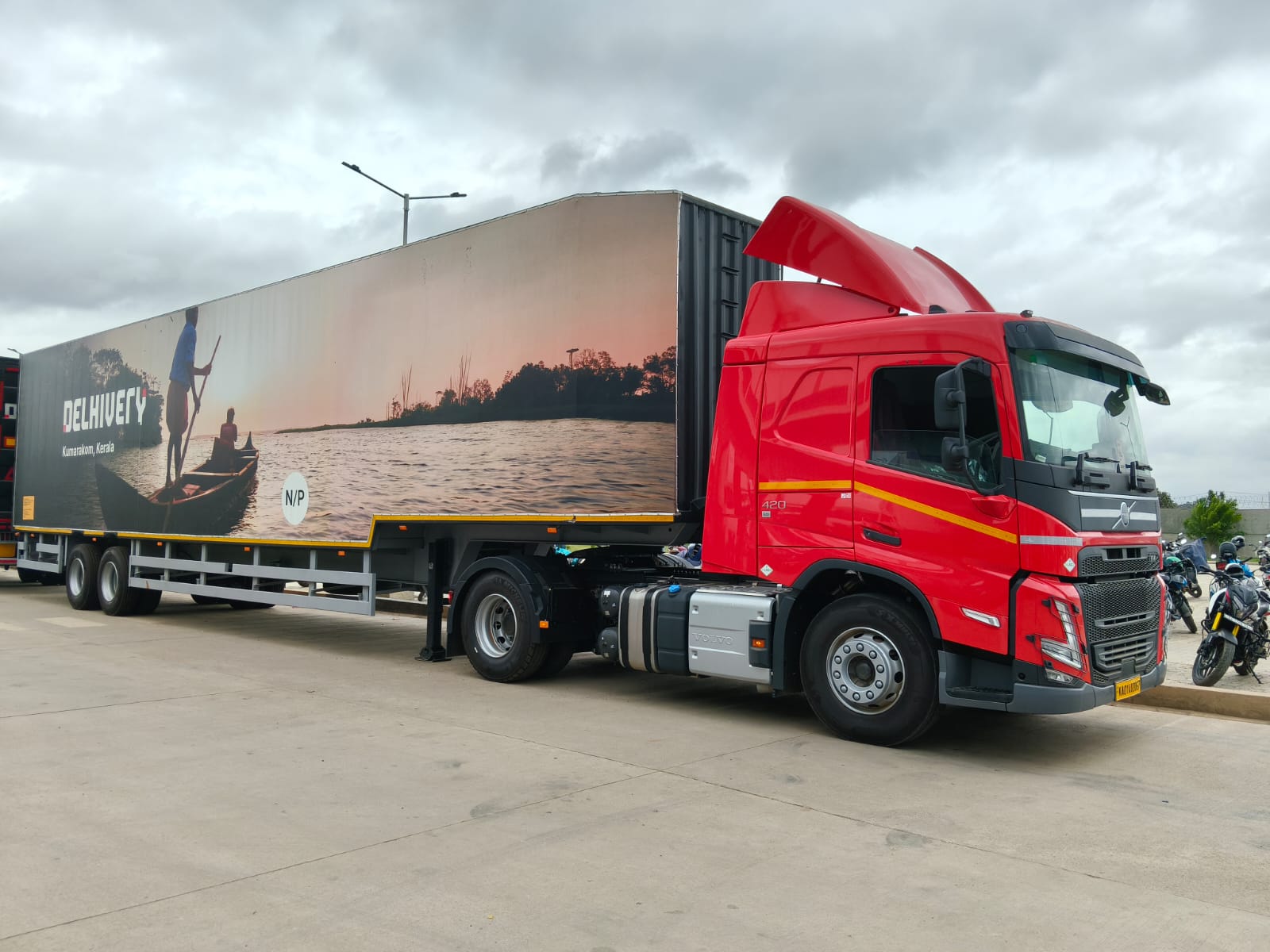
Power-Only Trucking: A Smarter Model for Long-Haul Freight
Smarter operating models can potentially make long-haul trucking with bigger trucks more efficient. Can Power-only trucking be a game-changer?

Taslima Khan
Engineering & Technology
Series: Finding India (Part I of II)
How a 15-member engineering team spent a decade using data generated by millions of deliveries and built a mapping platform for logistics.

Delhivery Engineering

Engineering & Technology
Series: Finding India (Part II of II)
How engineers taught machines to understand India’s complex addresses, transforming years of delivery data into a mapping intelligence platform built for logistics.
Delhivery Engineering
Ship with the largest integrated logistics company
Create your business account now
SERVICES
Delhivery One
Explore Now
Information Security Policy
Delhivery is committed to safeguarding the confidentiality, integrity and availability of all physical and electronic information assets of the organization. We ensure that the regulatory, operational and contractual requirements are fulfilled.
Disclaimer
Operational metrics listed are as of August 04, 2023