Shipping
Same-day delivery is not just a faster shipping option. It changes inventory strategy, fulfilment workflows and customer expectations, creating opportunities that traditional parcel networks cannot easily support.

Delhivery Research
5 min read

Same-day delivery is usually discussed as a speed upgrade. It is not. It changes what you can sell, how much stock you hold, and which customers are worth chasing. A boutique in Indiranagar that can put a dress in a customer's hands by evening is competing with the store down the road, not with a website quoting three days. What has held that back is rarely the ride itself. It is the wait before the ride starts.
What Changes When Pickup Stops Being a Scheduled Event
An intracity shipment moves on a different clock from a parcel. There is no sortation hub in the middle and no line haul at night. A rider is assigned to your address, collects, and carries the shipment straight to the destination in the same city. Delhivery Direct works this way in Delhi-NCR, Bengaluru and Ahmedabad, with on-demand pickups in 15 minutes, using 2-wheelers for small consignments and light commercial vehicles for bulkier ones. Prepaid accounts activate automatically; postpaid needs Business Development approval first.
The operational consequence matters more than the transit time. Dispatch stops being one batch a day that everything must be ready for. An order confirmed at 3pm can leave at 3.20pm without disturbing anything else. That is what makes a same-day promise a promise rather than a hope.
This model applies where the service is available today, and the footprint is expanding. Before you put a same-day badge on a product page, check that the city is live - a promise you cannot serve costs more than the sale it won.
Four Business Opportunities Unlocked by Intracity Delivery
● Same-day D2C in your home city. Your best customers are usually clustered near you. Serving them in hours, from stock you already hold, needs no new inventory and no new space.
● Store-to-customer fulfilment. With two or three outlets, the one closest to the customer becomes the fulfilment point, and stock in a slow-moving store starts serving city-wide demand.
● Intracity B2B replenishment. Topping up a dealer counter, moving a spare to an engineer on site, sending a sample to a buyer before a meeting. These are small, urgent, high-consequence movements that a next-day product handles badly.
● Returns consolidation. Collections from several customer addresses brought back to one point in a single afternoon, rather than trickling in over a week.
Understanding the Economics of Local Delivery
You have three ways to move something across a city, and they behave differently.
Your own rider on payroll is a fixed cost. Salary, fuel, vehicle, phone, cover for leave and sick days - all of it runs whether the day brings four deliveries or forty. That is efficient once your volume is high, steady and clustered, and expensive when it is none of those. Most local businesses are lumpy: quiet mornings, a rush on weekends, a spike before a festival. The rider is paid the same through all of it.
A standard parcel product is variable, which is the right shape, and it is built around a network movement - a scheduled pickup, a hub, an onward leg. That is what you want for an order going to another state. For a delivery that has to happen this afternoon inside one city, an intracity product is the closer fit.
On-demand intracity is variable and priced against a single-city movement. The trade is a per-trip cost against the idle hours of a rider you employ, so the break-even is a utilisation question. Work it with your own numbers: take the fully loaded monthly cost of a rider, divide by the deliveries you actually made last month, and compare that against a per-trip rate for the same distances. Use a slow month, not a peak one.
Before You Make a Same-Day Delivery Promise
1. A cut-off you can defend. Pick a time - say 4pm - by which an order qualifies for same-day, and set it early enough that picking and packing still fit inside the day.
2. Stock accuracy on the same-day catalogue. Selling a same-day item you cannot find on the shelf is worse than not offering it. Start with a short list of fast movers you count daily.
3. Someone who owns dispatch during shop hours. A 15-minute pickup only helps if the parcel is ready when the rider arrives.
4. Packing for a 2-wheeler. Same-city does not mean gentle handling. Bags, boxes and liquids need the same sealing discipline as any other shipment.
5. A payment decision. Cash at the door on a same-day order is workable, but prepaid removes the collection step and the doorstep negotiation.
What You Can Do
● Map the last 60 days of orders by pin code. If a meaningful share sits inside your own city, you already have a same-day book of business.
● Cost your current delivery arrangement per completed delivery, using a normal month rather than your busiest.
● Pick one category with reliable stock counts and run same-day on it alone for two weeks before extending it.
● Confirm serviceability for your city and set up a pickup point at the address where stock actually sits, not at your registered office.
● Write the cut-off time on the product page and in the order confirmation, in plain words, so the promise the customer reads is the one you have built.
These are the popular topics you might want to check out
Latest blog posts
View all blogs
Supply Chain Insights
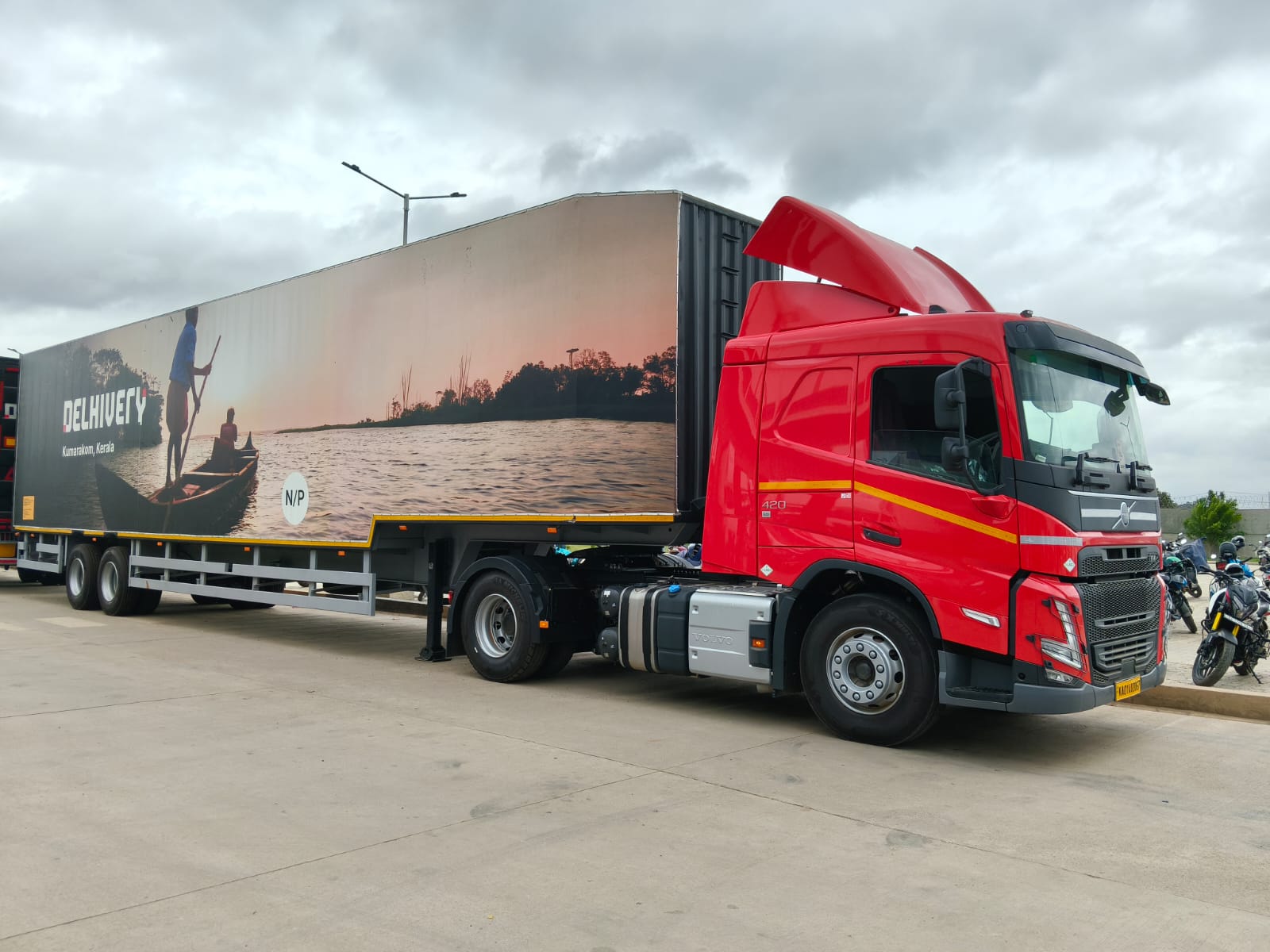
Power-Only Trucking: A Smarter Model for Long-Haul Freight
Smarter operating models can potentially make long-haul trucking with bigger trucks more efficient. Can Power-only trucking be a game-changer?

Taslima Khan
Engineering & Technology
Series: Finding India (Part I of II)
How a 15-member engineering team spent a decade using data generated by millions of deliveries and built a mapping platform for logistics.

Delhivery Engineering

Engineering & Technology
Series: Finding India (Part II of II)
How engineers taught machines to understand India’s complex addresses, transforming years of delivery data into a mapping intelligence platform built for logistics.
Delhivery Engineering
Ship with the largest integrated logistics company
Create your business account now
SERVICES
Delhivery One
Explore Now
Information Security Policy
Delhivery is committed to safeguarding the confidentiality, integrity and availability of all physical and electronic information assets of the organization. We ensure that the regulatory, operational and contractual requirements are fulfilled.
Disclaimer
Operational metrics listed are as of August 04, 2023